
Industry 4.0: The Fourth Industrial Revolution Explained
CITRIOT
Citriot Team
The Dawn of a New Industrial Era
The Fourth Industrial Revolution, or Industry 4.0, is fundamentally transforming how industries operate. It represents a paradigm shift from traditional manufacturing to smart, connected, and intelligent operations.
What is Industry 4.0?
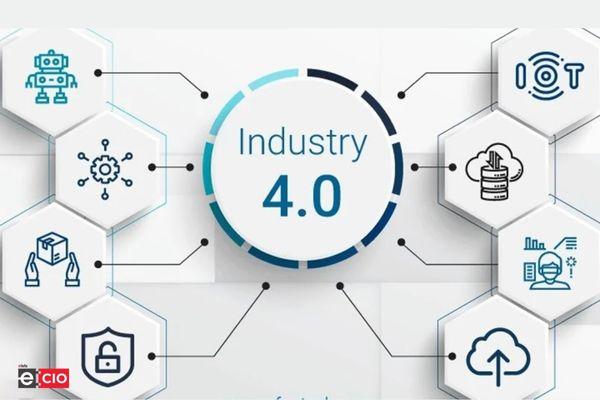
Industry 4.0 refers to the integration of advanced technologies like Internet of Things (IoT), Artificial Intelligence (AI), cloud computing, and cyber-physical systems into manufacturing and industrial processes. This integration creates smart factories where machines, systems, and humans work together seamlessly.
Key Technologies Driving Industry 4.0
- Internet of Things (IoT): Connecting machines, sensors, and devices to collect and exchange data in real-time.
- Artificial Intelligence & Machine Learning: Enabling predictive analytics, intelligent decision-making, and autonomous operations.
- Cloud Computing: Providing scalable infrastructure for data storage, processing, and analytics.
- Digital Twins: Creating virtual replicas of physical systems for simulation and optimization.
- Big Data Analytics: Processing vast amounts of industrial data to derive actionable insights.
- Robotics and Automation: Implementing intelligent robots for complex manufacturing tasks.
Benefits of Industry 4.0
The adoption of Industry 4.0 brings numerous benefits to organizations:
- Increased Productivity: Automated processes and predictive maintenance reduce downtime.
- Improved Quality: Real-time quality monitoring and defect detection ensure higher product quality.
- Cost Reduction: Optimized operations, reduced waste, and efficient resource utilization.
- Enhanced Flexibility: Agile manufacturing capable of adapting to changing demands.
- Data-Driven Decisions: Access to real-time data enables informed decision-making.
- Competitive Advantage: Stay ahead with cutting-edge technology adoption.
Challenges and Considerations
While Industry 4.0 offers tremendous opportunities, organizations must navigate several challenges:
- Cybersecurity: Protecting connected systems from cyber threats.
- Skill Gap: The need for a workforce skilled in digital technologies.
- Integration Complexity: Integrating new technologies with legacy systems.
- Data Privacy: Ensuring compliance with data protection regulations.
- Investment Costs: Significant initial investment in technology infrastructure.
The Future of Industry 4.0
As technology continues to evolve, Industry 4.0 will shape the future of industrial operations through:
- Autonomous Systems: Self-optimizing, self-maintaining, and self-learning systems.
- Human-Machine Collaboration: Enhanced collaboration between humans and intelligent machines.
- Sustainable Manufacturing: Environmentally friendly and resource-efficient production.
- Global Connectivity: Seamlessly connected global supply chains and manufacturing networks.
How Citriot is Driving Industry 4.0
At Citriot, we're at the forefront of the Industry 4.0 revolution, providing innovative solutions that enable businesses to embrace digital transformation. Our AI-powered Industrial Intelligence platform combines IoT, machine learning, and predictive analytics to help organizations achieve operational excellence.
From smart manufacturing to predictive maintenance and quality control, our solutions are designed to meet the unique challenges of modern industrial operations.
Ready to transform your operations? Contact us to learn how Citriot can help you embrace Industry 4.0.
Get in touchCITRIOT
Citriot Team